Few garage moments feel as instantly stressful as watching your vehicle hang awkwardly in the air while the jack refuses to move. One second you are making steady progress, and the next, everything stops. The handle locks. The frame stays suspended. Your heart rate climbs. When this happens, the most important thing is not strength, speed, or frustration. It is calm, safe decision-making.
A stuck jack is more than an inconvenience. It can become dangerous fast, especially if the vehicle is unstable or if you are tempted to force the mechanism. Whether you are using car jacks in your home garage or a trolley car jack on the driveway, the right response can protect both you and your vehicle from serious harm. Let’s walk through exactly what you should do when your jack gets stuck mid-lift, step by step, with safety at the center of every move.
Stay Calm and Secure the Area Around Car Jacks
The first job is simple: stop everything.
Do not crawl under the vehicle. Do not kick the jack. Do not yank the handle in frustration. If the vehicle is already elevated, every sudden movement matters. Take a breath and look at the setup from a safe angle. Is the vehicle leaning? Are the wheels on the ground chocked? Is the jack placed on solid, level pavement? These details tell you how urgent the situation is.
If anyone else is nearby, ask them to stand clear. Children, pets, and curious helpers should move away immediately. If the vehicle is in a shared driveway or roadside spot, make the area visible and safe before doing anything else.
There is something deeply human about wanting to “just fix it” in the heat of the moment. But the safest people around tools are often the ones who pause first. That pause can save fingers, limbs, and far worse.
Check Whether the Vehicle Is Properly Supported
If the jack is stuck while holding weight, your next goal is to reduce risk. If jack stands are already in place and positioned correctly under approved lift points, that is good news. If not, you need to think carefully about how to support the vehicle without putting yourself underneath it.
Sometimes the jack is stuck because the load has shifted slightly. Other times, the release valve is over-tightened, the hydraulics have failed, or the wheels under the jack body cannot roll as the vehicle rises. With car jacks, a tiny issue can suddenly create a big problem.
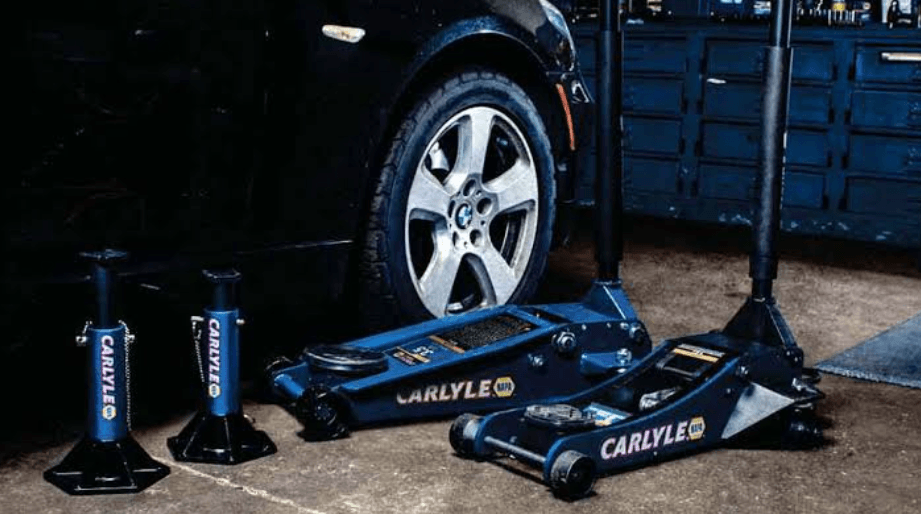
If possible, place wheel chocks firmly around the tires still on the ground. Engage the parking brake if it is appropriate for the axle being lifted. Then inspect the car jack from the side. Look for leaking hydraulic fluid, bent metal, or a jammed handle socket. If you are using a trolley car jack, check whether debris under its wheels is preventing natural movement.
One mechanic once described a good day in the garage as “almost eudaemonic,” and that word stuck. He meant that odd feeling of deep satisfaction when things work as they should, when tools cooperate and your hands remember what to do. A stuck jack is the opposite of that feeling, of course, but remembering the calm discipline behind a good repair mindset can help you regain control.
Do Not Force the Handle or Release Valve
This is where many people make the mistake that worsens everything.
If the jack handle will not pump, do not add a metal bar for extra leverage. If the release valve will not turn, do not attack it with brute force. Forcing the mechanism can strip threads, snap internal parts, or cause a sudden drop. And that sudden drop is exactly what you are trying to avoid.
Instead, try small, deliberate adjustments. If the release valve is simply too tight, use the correct handle and turn it only slightly, following the manufacturer’s direction. If the jack seems seized, stop and reassess rather than escalating.
There was once a retired army commander who treated every garage problem like a field operation. Not dramatic, not loud, just orderly. He would say, “Slow is smooth, and smooth is safe.” It sounds simple, but it fits this situation perfectly. Precision beats panic every time.
Use Backup Support Before Troubleshooting Further
If the vehicle is high enough and accessible from the side, place properly rated jack stands under the manufacturer-recommended support points. This is essential. Never trust a stuck hydraulic system alone. Even if it feels solid, it can fail without warning.
If stands cannot be safely positioned, consider using wood cribbing blocks built for load support, but only if you know exactly how to place them and the ground is stable. Improvised stacks of random lumber, bricks, or cinder blocks are not safe substitutes.
Once backup support is in place, you have more room to troubleshoot. At that point, common causes include:
– Overloaded jack capacity
– Hydraulic fluid loss
– Air trapped in the hydraulic system
– Bent linkage or damaged wheels
– Misaligned lift saddle
– Dirt or corrosion inside the valve assembly
Many car jacks fail not because of one dramatic defect, but because of years of neglect. A little rust here, a little leaked fluid there, and eventually the mechanism gives up at exactly the wrong moment.
See also: Smart Business Projection 4079466142 Expansion Dynamics
How to Lower the Vehicle Safely if the Jack Is Jammed
If the jack is stuck in the raised position but the vehicle is now safely supported by stands, you may be able to remove the jack load carefully. Try a gradual valve release if the mechanism still responds at all. If nothing moves, do not place hands near pinch points.
In some cases, a damaged jack must simply remain trapped until the vehicle can be raised slightly with another properly rated jack. If you choose this route, the second lifting device must be positioned correctly and used with extreme care. Raise only enough to transfer weight, then lower onto stands again.
This is also the moment to be honest with yourself. If the setup feels sketchy, uneven, or confusing, stop and call a professional. There is no shame in that. In fact, it is the responsible choice.
A neighbor once apologized after trying to “help” with a stubborn jack and making the angle worse. He looked genuinely contrite, the kind of regret that arrives a second too late. Thankfully no one was hurt, and that was the lesson that mattered. Good intentions do not replace safe technique.
When to Replace the Jack and Prevent It Happening Again
If your jack has leaked fluid, jammed repeatedly, bent under normal use, or shown any sign of instability, replace it. Not later. Not after one more job. Now. Reliable trolley car jack models and other lifting tools are far cheaper than the consequences of failure.
To prevent future problems:
– Always use the correct lift points
– Stay within the jack’s weight rating
– Work on level, hard ground
– Keep the jack clean and stored dry
– Inspect for leaks, rust, and bent parts before each use
– Use jack stands every time a vehicle is lifted
A stuck jack can feel like a small mechanical betrayal. But if you respond carefully, methodically, and without ego, you can turn a frightening moment into a manageable one. Car jacks are useful tools, but they demand respect. And when one gets stuck mid-lift, the safest path is always the smartest path: secure the vehicle, avoid force, add support, and