Pipeline construction projects present extraordinary security challenges. Unlike static job sites, linear infrastructure spans hundreds of kilometers across rugged terrain, remote wilderness, and multiple jurisdictional boundaries. Protecting valuable equipment, raw materials, personnel, and environmental integrity along an active right-of-way (ROW) requires a structured, multi-layered risk management framework.
Key Threat Vectors in Pipeline Construction
PIPELINE SECURITY THREAT MATRIX
┌─────────────────────────────────────────────────────────────────────────────┐
│ 1. Asset & Material Theft (Copper wiring, heavy machinery, diesel, pipe) │
├─────────────────────────────────────────────────────────────────────────────┤
│ 2. Vandalism & Sabotage (Damage to uninstalled pipe, heavy equipment) │
├─────────────────────────────────────────────────────────────────────────────┤
│ 3. Activism & Unlawful Blockades (Interference on active right-of-ways) │
├─────────────────────────────────────────────────────────────────────────────┤
│ 4. Safety & Liability Risks (Unauthorized public access to deep trenches) │
└─────────────────────────────────────────────────────────────────────────────┘
- Material & Equipment Theft: High scrap metal prices make bare copper grounding wires, fuel, pumps, hand tools, and specialized machinery prime targets for organized criminal networks.
- Eco-Vandalism & Sabotage: Heavy equipment left overnight along exposed ROWs can be tampered with (e.g., fuel contamination, hydraulic line cutting) to slow project timelines.
- Protests & Direct Action: Activist groups or blockades may attempt to occupy construction yards or shut down equipment on active working segments.
- Safety & Regulatory Liability: Deep excavations, open trenching, heavy machinery, and stringed pipe create extreme safety hazards for trespassers, leading to potential civil liabilities or regulatory intervention.
Core Pillars of a Pipeline Security Strategy
1. Physical Access Control & Perimeter Defense
- Laydown Yard Security: Material storage areas, laydown yards, and pipe yards must feature heavy-duty perimeter fencing, lockable gates, anti-climb barriers, and strict credential verification for incoming transport drivers.
- Access Points along the ROW: Manage access where public roads intersect the pipeline corridor using temporary security checkpoints and swing gates.
2. Guarding & Mobile Patrol Operations
- Static Guards: Position security personnel at high-risk infrastructure points, such as valve sites, pump stations, horizontal directional drilling (HDD) setups, and central equipment yards.
- Mobile Patrols: Utilize 4×4 off-road vehicles or side-by-sides to conduct irregular mobile patrols along the right-of-way to disrupt surveillance by opportunistic thieves.
3. Integrated Security Technologies
Deploy autonomous, mobile technology solutions tailored for off-grid operations:
- Solar Surveillance Towers: Rapidly deployable mobile security trailers provide off-grid thermal imaging, high-definition pan-tilt-zoom (PTZ) cameras, and cellular reporting without requiring site power.
- Trail & Wireless Point Cameras: Weatherproof, solar-assisted 4G/LTE cellular cameras provide discreet perimeter monitoring along remote rights-of-way.
See also: authentic tech business contact
Top Remote Surveillance & Mobile Security Systems
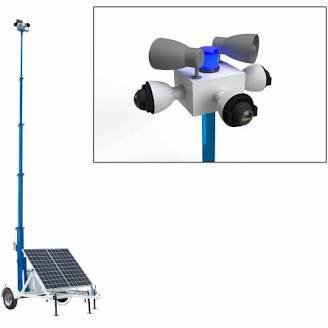
Mobile Solar Security Tower
CA$79,651.87·Larson Electronics
The Larson Electronics Mobile Solar Security Tower is ideal for off-grid pipeline yards, featuring solar-powered PTZ cameras, a 30-foot telescoping mast, and cellular router connectivity.

Vosker V300 Ultimate Construction Pack Outdoor Security Camera
CA$449.99·VOSKER
The Vosker V300 Ultimate Outdoor Security Camera provides low-profile 4G LTE monitoring along remote ROW gates with solar-assisted battery power and instant motion alerts.
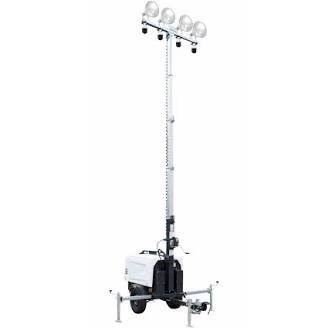
25′ Mobile Security Tower – 6 kW Diesel Gen – 4 Metal Halide Lamps – 4 Cameras – 2TB NVR – Router/4G
CA$89,442.63·Larson Electronics
The Larson Electronics 25′ Mobile Security Tower provides high-intensity illumination and heavy-duty surveillance with an on-board diesel generator, 4 PTZ cameras, and 4,000W flood lighting.
Operational Execution Best Practices
┌───────────────────────────┐ ┌───────────────────────────┐ ┌───────────────────────────┐
│ CRIME PREVENTION │ │ STAKEHOLDER LIAISON │ │ EMERGENCY RESPONSE │
│ • Off-ground pipe storage│ │ • Local law enforcement │ │ • 24/7 Command Center │
│ • GPS equipment tracking │ ───► │ • Indigenous communities │ ───► │ • GIS-mapped GPS points │
│ • Lockable fuel caps │ │ • Landowners & municipal │ │ • Incident reporting │
└───────────────────────────┘ └───────────────────────────┘ └───────────────────────────┘
- Equipment Staging Protocols: Group heavy equipment at central, well-lit, or guarded locations overnight (a “corral” setup) rather than leaving machinery isolated along the ROW.
- Fuel & Tool Protection: Install anti-siphon caps on fuel tanks, lock battery boxes, and record serial numbers for all jobsite equipment.
- Regulatory Compliance & Local Coordination: Maintain open lines of communication with local law enforcement agencies (e.g., RCMP or local municipal police), local landowners, and Indigenous communities along the route.
- Real-time GIS Tracking: Integrate GPS tracking into all security patrol vehicles and static guards so dispatch centers can coordinate rapid emergency responses using exact site coordinates.
Actionable Next Steps
To build or refine your pipeline construction security plan, consider taking these immediate steps:
- Conduct a Route Risk Assessment: Evaluate high-consequence zones (e.g., major water crossings, highway intersections, laydown yards near urban hubs) to prioritize static guarding vs. mobile patrols.
- Review Off-Grid Surveillance Requirements: Determine if solar-powered security towers or cellular game-style trail cameras are best suited for your remote site power constraints.
If you would like, I can draft a Site-Specific Security Plan Outline tailored to your project’s total distance, terrain, and timeline. Should we put that together?