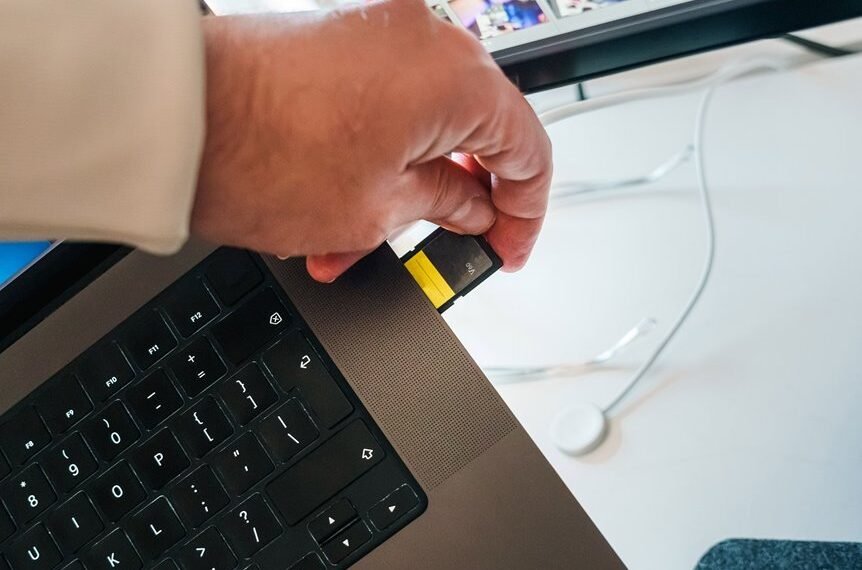
Two-factor authentication adds a second proof beyond a password, usually a device or app. It strengthens security by making unauthorized access far less likely, but setup, timing, and accessibility issues can arise. Different methods trade security for convenience, so pick a setup aligned with risk and ensure reliable recovery options. Avoid SMS when possible to reduce phishing risks. Regular audits help maintain protection, yet critical questions remain about what to implement and how to stay protected as threats evolve.
How 2FA Actually Works: A Simple Breakdown
Two-factor authentication (2FA) adds a second verification step beyond a password, typically combining something the user knows with something they have or something inherent to them. The mechanism leverages a second factor, often a code or biometric, produced or confirmed by a separate device. This reduces security vulnerabilities but introduces user experience challenges in setup, timing, and accessibility, requiring thoughtful design.
Why 2FA Is More Secure Than Passwords Alone
When passwords stand alone, a breach often grants immediate access because the attacker only needs to compromise one credential. Two-factor authentication disrupts this path by requiring a second factor, reducing success probability for attackers. It addresses Security myths, mitigates Password fatigue and MFA fatigue, and provides a Recovery fallback that preserves access without surrendering control. Overall, stronger, more resilient access.
Common 2FA Methods and How They Compare
Common 2FA methods vary in security, usability, and practicality. Different approaches balance convenience and risk, from codes delivered by email verification to hardware tokens and authenticator apps. Biometric enrollment adds convenience but raises privacy questions and device dependency. Each method imposes trade-offs, influencing recovery options, phishing resistance, and cross-device access, guiding informed, freedom-respecting choices.
Choosing the Right 2FA Setup for You
Choosing the right 2FA setup requires aligning security goals with practical constraints and user needs. The choice hinges on balancing convenience with risk, including the debate over Choosing passwordless vs. hardware. Users should evaluate device access, dependency, and maintenance. Consider 2fa recovery strategies, ensuring backup options are secure, accessible, and resilient against loss or theft, without overcomplicating use.
Practical Tips to Avoid Pitfalls and Stay Protected
Practical tips for staying protected begin with a disciplined approach to 2FA adoption: anticipate common misconfigurations, verify backup plans, and enforce consistent enforcement across accounts.
The discussion debunks security myths and emphasizes resilient user behavior: enable hardware or authenticator apps, avoid SMS, document recovery steps, and routinely audit access.
Clarity and autonomy guide implementation, reducing risk while preserving personal freedom.
Frequently Asked Questions
Can 2FA Be Bypassed if My Device Is Stolen?
Yes, 2FA can be bypassed if a device is stolen; attackers may exploit access tokens, autofill, or simulated requests. Bypass risks depend on backup methods and device security. Stolen device limits protective measures like biometrics and remote wipe.
Do I Need 2FA on Every Online Account I Use?
Like a vault door, the answer is no—use two factor authentication on essential sites, but not every single account. It enhances account security, yet a freedom-minded user prioritizes high-risk services and practical risk management.
How Does Phishing Bypass 2FA Sometimes Succeed?
Phishing bypasses 2FA when attackers steal session tokens or trick users into approving prompts, exploiting MFA fatigue. Phishers employ social engineering and fake prompts; defenders must monitor, rotate secrets, and maintain vigilance to preserve autonomous online security.
Is Hardware 2FA More Reliable Than Software-Based Methods?
Hardware authentication tends to be more reliable than software authentication, providing stronger phishing resistance and offline verification, while software authentication offers convenience but is more exposed to malware and credential theft risks.
What Costs Are Involved in Implementing 2FA at Scale?
Implementing 2fa at scale involves upfront and ongoing expenses, including hardware, software, integration, and support; cost modeling and vendor comparison help quantify total ownership and risk.
Conclusion
Two-factor authentication acts like a fortress guarded by two sentinels: a password is the outer wall, the second factor a hidden inner vault. When one fails, the other still stands, narrowing the path to intruders. Different methods trade convenience for security, so align choices with risk and ensure reliable recovery. Regular checks keep the system vigilant, and avoiding SMS reduces phishing risk. In practice, 2FA is a disciplined protection routine that translates risk into resilient, repeatable steps.