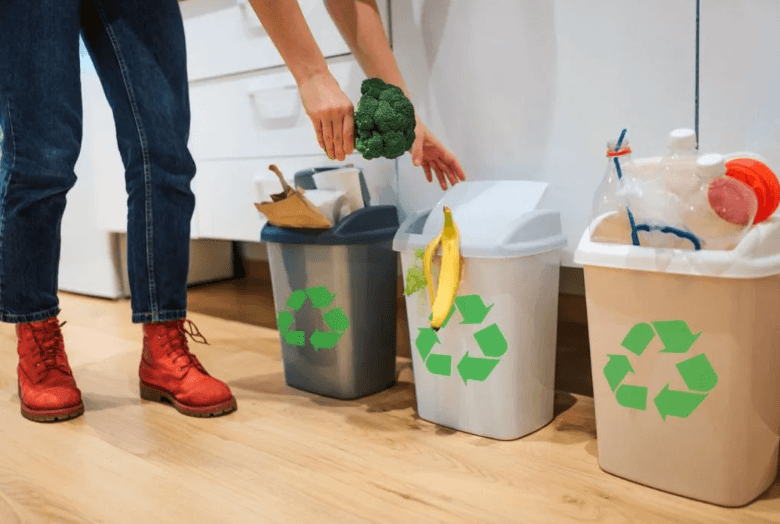
You can make How to Recycling effective with a few clear habits: sort the right materials, clean and dry containers, and check local rules so items actually get processed. Start by knowing which plastics, paper, glass, and metals your area accepts and preparing them properly—this single step prevents contamination and keeps recyclables out of landfill.
This post How to Recycle walks you through how to identify recyclable materials, simple preparation techniques, and practical home routines that save time and improve results. Stick with these straightforward steps and you’ll reduce waste, avoid common mistakes, and make recycling a reliable part of your home.
Understanding Recyclable Materials
You can sort common household materials correctly if you know how to read labels, check local rules, and remove food or liquid. Focus on paper, certain plastics, metals, and glass, and keep non-recyclables and contaminants out of your bin.
Identifying Recyclable Items
Start by checking your local recycling program’s list; many accept:
- Paper: newspapers, office paper, magazines, corrugated cardboard (flatten boxes).
- Metals: clean aluminum cans, steel/tin food cans, empty aerosol cans if accepted.
- Glass: bottles and jars (rinse; lids often recycle separately).
- Plastics: look for resin identification numbers 1 (PET) and 2 (HDPE) — these are widely accepted.
Remove food, grease, and large mixed-material pieces (like mail with plastic windows).
When in doubt, confirm with your hauler; some materials (e.g., plastics 3–7, shredded paper, pizza boxes) vary by program.
Keep caps on small bottles if your local rules prefer them on; otherwise, recycle caps separately if required.
Common Contaminants to Avoid
Contamination causes recyclable loads to be rejected or downgraded. Common contaminants include:
- Food residue: greasy pizza boxes, unwashed yogurt containers, or oily paper. Rinse or compost instead.
- Plastic bags and film: these tangle in sorting machines; return them to store drop-offs.
- Loose small items: straws, cutlery, and broken glass often fall through screens and are discarded.
- Hazardous materials: batteries, electronics, paint cans, and medical waste must go to special collection points.
Label confusion also contaminates loads; don’t rely on “compostable” or “biodegradable” labels as proof of curbside recyclability.
If a container is wet, sticky, or has food stuck inside, either clean it or place it in trash/organics per local guidance.
Best Practices for Recycling at Home
Focus on clean, dry, and correctly separated materials, and match what you put out with your city or hauler’s rules to avoid contamination and fines.
Sorting and Preparing Materials
Rinse food residue from containers; leftover food is the leading cause of contamination. For jars and cans, a quick rinse and a scrape with a spatula for sticky residues prevents entire batches from being landfilled.
Remove lids and separate materials when your program requires it. Leave labels on paper-based cartons unless your locality asks otherwise. Flatten cardboard boxes to save space and tie them in bundles if curbside rules require it.
Group recyclables by type in your home: paper, cardboard, rigid plastics, glass, and metal. Keep a small counter bin for rinse-and-dry items and a larger bin in the garage or utility room for weekly collection. Place bulky items like pizza boxes with heavy grease into landfill trash, not recycling.
See also: Smart Business Projection 4079466142 Expansion Dynamics
Local Guidelines and Collection Methods
Check your city or hauler website for an official list of accepted items and any seasonal rule changes. Rules vary: many programs accept PET (#1) and HDPE (#2) bottles but not mixed plastic tubs or film.
Learn your collection schedule and container rules. Some services require carts with lids, while others use single-stream bins. Know whether they accept loose items or require clear bags for recyclables.
Find special drop-off locations for batteries, electronics, light bulbs, and hazardous waste. These items often contaminate curbside loads and can incur fines if placed in regular recycling.