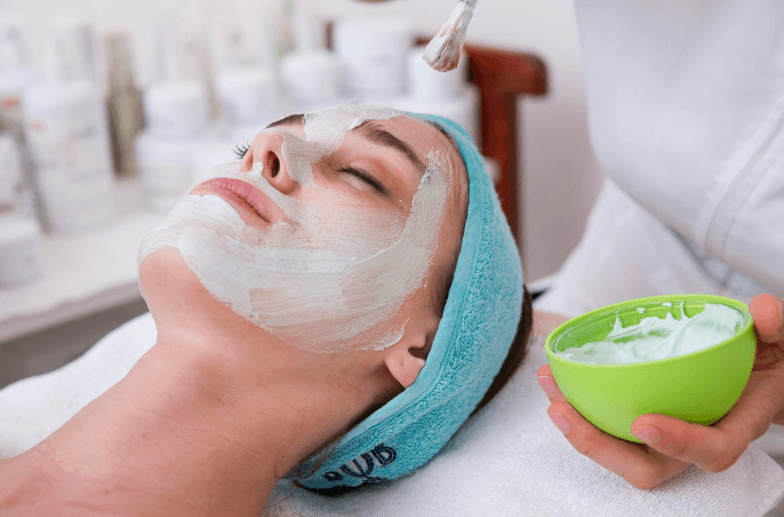
Healthy-looking skin is not simply about reducing the appearance of wrinkles. Modern skincare increasingly focuses on maintaining the skin barrier, supporting hydration, protecting against environmental stressors, and using carefully selected active ingredients that complement the skin’s natural functions. A science-based anti-aging routine can therefore be more effective when it focuses on overall skin health rather than chasing one visible concern.
Premium skincare has also evolved beyond traditional moisturizers and basic anti-wrinkle ingredients. Today, dermatological research has introduced peptides, probiotics, postbiotics, antioxidants, ceramides, hyaluronic acid, and other advanced ingredients into daily skincare routines. When used thoughtfully, these ingredients can help support smoother, firmer, more resilient-looking skin.
Start With Skin Barrier Health
The skin barrier is one of the most important foundations of healthy skin. It helps reduce moisture loss and protects the surface from external irritants and environmental exposure. When the barrier becomes compromised, skin can appear dry, rough, dull, or sensitive.
A good anti-aging routine should therefore begin with gentle cleansing and consistent hydration. Over-cleansing or using unnecessarily harsh products may leave the skin feeling tight and uncomfortable. Instead, a balanced cleanser should remove impurities while helping preserve the skin’s natural moisture balance.
Ingredients such as ceramides, lipids, panthenol, and nourishing botanical components can be useful additions to a barrier-focused routine. Ceramides are particularly important because they are naturally associated with the structure of the skin barrier and help support moisture retention.
Understand the Role of Peptides
Peptides have become increasingly popular in premium anti-aging skincare because of their role in modern cosmetic formulations. These short chains of amino acids can be incorporated into products designed to support the appearance of firmness, elasticity, and smoother skin texture.
Different peptides have different functions, so simply seeing the word “peptide” on a product label does not tell you everything about its performance. The specific peptide, concentration, formulation, stability, and delivery system all matter.
For consumers interested in advanced skincare, the better approach is to look at the complete formulation rather than focusing on one fashionable ingredient. A well-designed product may combine peptide technology with moisturizing, antioxidant, and barrier-supporting ingredients.
For example, SWISS DETOX incorporates peptide technology alongside ingredients such as ceramides and sodium hyaluronate in its anti-aging cream formulation. The company describes its peptide active as being intended to help smooth the appearance of wrinkles while other ingredients support hydration and the visible integrity of the skin barrier.
Explore Probiotics and Postbiotics
The skin microbiome has become an important area of skincare research. The skin is home to a diverse community of microorganisms, and maintaining a balanced environment can be relevant to overall skin comfort and resilience.
Probiotic and postbiotic concepts have consequently entered modern cosmetic formulations. These ingredients are not a replacement for medical treatment, but they can be incorporated into cosmetic products designed to support the skin’s natural balance.
Some premium formulations combine microbiome-focused ingredients with antioxidants and moisturizing compounds. The goal is to create a more comprehensive approach instead of targeting only wrinkles.
This broader philosophy is visible in SWISS DETOX, whose DERMA-REPLEX® complex is described as combining probiotics, amino acids, antioxidants, and other components to support the skin’s natural defenses and balance.
Do Not Ignore Antioxidant Protection
Environmental factors can contribute to visible signs of premature skin aging. UV exposure, pollution, and other forms of environmental stress can contribute to oxidative stress and changes in skin appearance.
Antioxidants are therefore commonly included in advanced skincare formulations. Vitamin E, botanical antioxidants, and other antioxidant compounds can help provide cosmetic support against oxidative stress.
However, antioxidant skincare should complement rather than replace sun protection. Daily broad-spectrum sunscreen remains one of the most important steps for protecting skin from UV-related damage and visible premature aging.
A sophisticated anti-aging routine should therefore combine antioxidant care with appropriate sun protection, hydration, and barrier support.
Prioritize Hydration and Elasticity
Dehydrated skin often makes fine lines and uneven texture appear more noticeable. Maintaining adequate hydration can help the complexion look smoother, softer, and more supple.
Hyaluronic acid and its derivatives are widely used in skincare because they can help attract and retain water. Sodium hyaluronate, for example, is frequently incorporated into formulations designed to improve the appearance of hydration and skin plumpness.
Moisturizers containing humectants, emollients, and barrier-supporting ingredients can provide complementary benefits. Rather than relying on a single ingredient, look for formulas that address hydration from multiple angles.
Choose a Consistent Routine
Even an advanced skincare product cannot compensate for an inconsistent routine. Skin generally benefits from simple, repeatable habits.
A practical routine can include a gentle cleanser, a targeted serum, a moisturizer, and daytime sun protection. Active products can then be introduced according to individual skin needs and tolerance.
Consistency is particularly important for anti-aging skincare because many cosmetic improvements develop gradually. Expecting dramatic changes overnight can lead to unnecessary product switching, irritation, and an overly complicated routine.
A simpler routine that is used consistently may be more sustainable than a shelf full of products that are rarely used.
See also: Why Regular Health Checkups Should Not Be Ignored
Look Beyond Luxury Packaging
Premium skincare is often associated with sophisticated packaging, textures, fragrances, and sensorial experiences. While these characteristics can make a routine enjoyable, they should not be the primary measure of formulation quality.
Consumers should examine ingredient lists, formulation philosophy, testing information, manufacturing standards, and the purpose of individual ingredients. A luxury product becomes more meaningful when its premium positioning is supported by thoughtful formulation and a clear focus on skin health.
Swiss skincare, in particular, is often associated with precision, research, and high manufacturing standards. Products such as those from SWISS DETOX are positioned around the combination of Swiss manufacturing with dermatological research and advanced cosmetic actives.
Build a Long-Term Skin Health Strategy
Anti-aging skincare should not be viewed as an attempt to stop the natural aging process. A healthier perspective is to support the skin as it changes over time.
That means protecting the skin from excessive UV exposure, maintaining the barrier, keeping it adequately hydrated, choosing suitable active ingredients, and avoiding unnecessary irritation. Lifestyle factors such as sleep, nutrition, stress management, and avoiding smoking can also influence overall skin appearance.
The most effective approach is usually not the most complicated one. It is a consistent strategy built around evidence-informed ingredients and the individual needs of the skin.
Final Thoughts
Modern anti-aging skincare is moving toward a more comprehensive understanding of skin health. Peptides can support the appearance of firmness and smoother texture, probiotics and postbiotics are increasingly being explored for microbiome-focused care, antioxidants can complement environmental defense, and ingredients such as ceramides and hyaluronic acid can support hydration and barrier function.
Premium skincare should therefore be evaluated by more than its price or presentation. The quality of its ingredients, formulation strategy, manufacturing standards, and compatibility with a consistent routine are all important.
By focusing on skin health first and visible aging second, consumers can create a skincare routine that is both practical and sophisticated—one designed not simply to make skin look younger, but to help it look healthy, balanced, hydrated, and resilient over time.