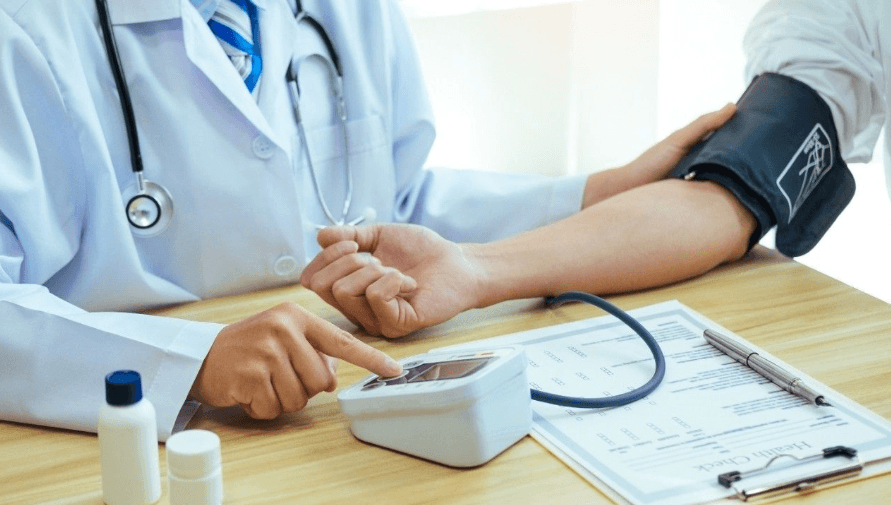
Good health is often taken for granted until something goes wrong. Many people only visit a doctor when they feel sick, have pain, or notice a serious symptom. While this is common, it is not always the best approach. Regular health checkups are important because they help people understand their health before problems become serious.
A regular health checkup is not only for people who are ill. It is also useful for people who feel completely fine. Many health conditions develop quietly in the body and may not show clear signs in the early stages. High blood pressure, diabetes, high cholesterol, kidney problems, heart disease, and some cancers can begin without obvious symptoms. A checkup can help detect these issues earlier, when they may be easier to manage.
Regular health checkups give people a chance to take control of their health. They help identify risks, guide lifestyle changes, and support long-term wellness. Ignoring them may save time in the short term, but it can lead to bigger problems later.
Early Detection Can Save Lives
One of the biggest benefits of regular health checkups is early detection. Many diseases are easier to treat when they are found early. When a health problem is discovered after it has already become serious, treatment may be more difficult, expensive, and stressful.
For example, high blood pressure often does not cause symptoms at first. A person may feel normal while their blood pressure is slowly damaging their heart, blood vessels, kidneys, or brain. A simple blood pressure check can identify the problem early and allow a doctor to suggest lifestyle changes or treatment.
The same is true for diabetes. Many people may have high blood sugar for years before they are diagnosed. During that time, the condition can affect the eyes, nerves, kidneys, and heart. Regular blood tests can help detect blood sugar problems earlier.
“Many people wait until pain affects their daily life before seeking help. A routine checkup can reveal posture problems, mobility limits, or early discomfort that may be easier to address with the right care,” explains Dr. Amanda Baes, Owner of Healing Hands Chiropractic.
Early detection does not always mean a person has a serious illness. Sometimes, it simply helps doctors notice small changes before they become bigger concerns. This is why checkups should not be ignored, even when a person feels healthy.
Prevention Is Better Than Emergency Treatment
Preventive care is one of the main reasons regular checkups matter. It is usually better to prevent a health problem than to treat it after it becomes severe. Checkups help doctors look for risk factors and give advice before a condition develops.
During a checkup, a healthcare provider may review weight, blood pressure, cholesterol, blood sugar, family history, lifestyle habits, sleep, stress levels, and physical activity. These details can show whether a person is at risk for future health problems.
For example, if a person has slightly high cholesterol, a doctor may recommend diet changes, exercise, or follow-up testing. If someone has a family history of heart disease, the doctor may suggest earlier screening or closer monitoring. If a patient has gained weight or become inactive, the checkup can become a starting point for healthier habits.
Waiting until symptoms appear can sometimes mean the body has already been under stress for a long time. Preventive care gives people a better chance to act early.
Checkups Help Track Changes Over Time
Health is not fixed. It changes with age, lifestyle, stress, diet, work habits, and family history. Regular checkups help create a record of a person’s health over time. This makes it easier to notice changes.
For example, one blood test result may not tell the full story. But when doctors compare results from year to year, they can see patterns. A slow rise in blood sugar, cholesterol, weight, or blood pressure may show that something needs attention.
“Small changes in health can become serious when they are ignored. Regular checkups give patients and families a clearer picture of what is changing and when professional care may be needed,” says Sharon Amos, Director at Air Ambulance 1.
Tracking health over time also helps patients understand how their choices affect their body. If someone begins exercising, improves their diet, or stops smoking, checkups can show positive progress. This can be motivating and encouraging.
Regular monitoring is especially important for people who already have a health condition. Patients with diabetes, thyroid problems, heart disease, kidney disease, or high blood pressure need follow-ups to make sure their condition is controlled. Skipping checkups can make it harder to manage these conditions safely.
See also: How Can Iron Paws Dental Powder Transform Your Dog’s Oral Health?
Many Health Problems Have No Early Symptoms
A major reason people ignore checkups is that they feel fine. However, feeling fine does not always mean everything is normal. Some of the most serious health problems can develop silently.

High blood pressure is often called a silent condition because many people do not feel symptoms. High cholesterol usually does not cause pain or discomfort. Early kidney disease may not be noticeable. Some cancers may not cause obvious signs until they have progressed.
This does not mean people should live in fear. Instead, it means regular screening is important. Checkups provide a practical way to identify hidden problems. They help people stay informed instead of guessing about their health.
Ignoring checkups because there are no symptoms can be risky. The body may be giving no clear warning signs, but a simple test could reveal an issue that needs care.
Health Checkups Encourage Better Lifestyle Choices
Regular checkups are not only about tests and numbers. They also give people a chance to talk with a healthcare provider about lifestyle habits. Many health problems are connected to daily choices, including diet, exercise, sleep, smoking, alcohol use, stress, and work routines.
A doctor can help explain which habits may be affecting health and what changes may be helpful. Even small changes can make a difference over time. Walking more, eating fewer processed foods, drinking enough water, improving sleep, managing stress, and reducing smoking or alcohol can all support better health.
Checkups also make people more aware of their own bodies. When patients understand their blood pressure, sugar levels, cholesterol, and weight trends, they are more likely to take their health seriously.
For many people, a checkup becomes a reminder to pause and look at how they are living. It can encourage healthier decisions before problems become harder to reverse.
Regular Checkups Support Mental Health Too
Health is not only physical. Mental and emotional well-being are also important. Regular checkups can create a safe opportunity to talk about stress, anxiety, sleep problems, mood changes, burnout, or emotional struggles.
Many people ignore mental health symptoms because they think they should manage everything alone. Others may not realize that physical symptoms such as fatigue, headaches, stomach issues, or poor sleep can sometimes be connected to stress or anxiety.
A healthcare provider can help identify when mental health support may be needed. They may suggest counseling, lifestyle changes, relaxation strategies, or further evaluation. Discussing mental health during a regular checkup can reduce stigma and help people get support earlier.
Ignoring emotional health can affect work, relationships, sleep, appetite, and physical health. Regular checkups can help make mental health part of overall wellness.
Checkups Are Important at Every Age
Some people think regular checkups are only for older adults. In reality, they are important at every stage of life. Children need checkups to track growth, development, nutrition, and vaccinations. Young adults may need screening for lifestyle risks, reproductive health, mental health, and family history concerns.
Middle-aged adults often begin to face higher risks for blood pressure, diabetes, cholesterol problems, weight gain, and heart disease. Older adults may need more regular monitoring for bone health, vision, hearing, memory, mobility, and chronic conditions.
The type of checkup may change with age, but the need for regular health monitoring does not disappear. Every stage of life comes with different risks, and checkups help people stay prepared.
They Help Build a Relationship With Your Doctor
Regular checkups help patients build a stronger relationship with their healthcare provider. When a doctor knows a patient’s medical history, lifestyle, family background, and past test results, they can give better guidance.
A trusted doctor-patient relationship also makes it easier to discuss personal concerns. Patients may feel more comfortable asking questions, sharing symptoms, or talking about sensitive health issues when they already have an established connection.
This relationship can be especially valuable during emergencies or serious illness. A doctor who understands a patient’s health history may be better able to make informed decisions and recommend the right next steps.
Ignoring Checkups Can Lead to Higher Costs
Some people avoid checkups because they do not want to spend money. However, ignoring health can sometimes lead to higher costs later. Treating advanced disease is often more expensive than preventing or managing it early.
For example, managing slightly high blood pressure may involve lifestyle changes and regular monitoring. But untreated high blood pressure can lead to heart disease, stroke, or kidney damage, which may require costly treatment and long-term care.
Regular checkups can help reduce the chance of serious complications. They may not prevent every illness, but they can lower risks and help people make better decisions about their health.
What a Regular Checkup May Include
A regular health checkup may vary based on age, gender, medical history, family history, and risk factors. It may include a physical exam, blood pressure check, weight and body mass index review, blood tests, cholesterol screening, blood sugar testing, vision or hearing checks, and questions about lifestyle habits.
Doctors may also recommend screenings based on individual needs. These could include cancer screenings, heart health checks, bone density testing, dental checkups, or vaccinations. Not everyone needs the same tests, so it is important to follow medical advice based on personal health risks.
The goal is not to do every test possible. The goal is to choose the right checks at the right time.
Conclusion
Regular health checkups should not be ignored because they help protect long-term health. They can detect problems early, prevent complications, track changes, encourage better habits, and support both physical and mental well-being.
Feeling healthy is a good thing, but it should not be the only reason to avoid medical care. Many conditions can develop without clear symptoms, and regular checkups provide a simple way to stay informed.
Taking time for preventive healthcare is an investment in the future. It gives people the knowledge and support they need to make better choices, manage risks, and live with more confidence. Anyone unsure about how often they need a checkup should speak with a qualified healthcare provider for guidance based on their age, health history, and personal risk factors.