A comfortable home should make everyday activities easier for everyone, regardless of age or physical ability. In multi-story houses, moving between floors can sometimes become challenging, especially for older adults, people with mobility limitations, and families planning for long-term living. Installing a residential elevator is one practical way to improve convenience, accessibility, and overall comfort. Homeowners exploring home elevator installation in Mount Pleasant, SC can consider different residential elevator solutions designed to complement their property’s layout and lifestyle.
Modern home elevators are no longer limited to large luxury properties. Advances in residential elevator technology have made different systems available for homes with varying architectural designs and space requirements. Beyond providing convenient transportation between floors, these systems can support independent living and make a property more functional.
Making Everyday Movement Easier
Stairs are a normal part of many residential properties, but using them repeatedly can become tiring. Carrying groceries, laundry, household supplies, or other heavy items between floors can also create unnecessary physical effort.
A residential elevator provides a convenient alternative by allowing occupants to travel between levels without regularly using the stairs. This can make daily routines more manageable for families with young children, older residents, and individuals who experience mobility difficulties.
An elevator can also benefit homeowners who frequently move items throughout their properties. Instead of carrying heavy belongings up and down staircases, residents can transport them more conveniently.
This added convenience can improve the overall experience of living in a multi-level home.
Supporting Independent Living
Maintaining independence is important for people of all ages. However, mobility challenges can sometimes make certain areas of a house difficult to access.
A residential elevator can help individuals move between floors without depending as much on assistance from family members or caregivers. This can make bedrooms, bathrooms, kitchens, and other important spaces easier to reach.
For homeowners planning to remain in their current properties as they grow older, installing an elevator can be part of a long-term accessibility strategy. Rather than waiting until mobility becomes a serious concern, families can consider improvements that prepare their homes for changing needs.
The right elevator design can help residents maintain greater independence while continuing to enjoy their familiar surroundings.
Choosing an Elevator That Fits Your Home
Every property has different structural characteristics, so selecting an appropriate elevator requires careful consideration. Available space, building design, number of floors, and household requirements all influence the decision.
Hydraulic elevators are one residential option known for smooth operation and reliable performance. Machine room-less elevators offer another possibility for homeowners interested in space-conscious designs. Vacuum elevators use air pressure technology and can provide a distinctive modern appearance.
The best solution depends on the property’s construction and the homeowner’s priorities. Some projects may also benefit from outdoor elevator installations, particularly where the building layout makes an exterior access solution more practical.
Before selecting a system, homeowners should consult experienced professionals who can evaluate the property and explain the available options.
Improving Home Safety
Safety is an important consideration in every residential improvement project. Staircases can present challenges for people with balance difficulties, limited mobility, or certain physical conditions.
A properly installed residential elevator can provide an alternative way to access different floors. However, the equipment must include appropriate safety features and receive professional maintenance.
Depending on the elevator model, available features may include emergency communication systems, door sensors, safety brakes, backup power options, and emergency lowering mechanisms.
Homeowners should discuss these features with their installation provider to understand which options are appropriate for their household.
Professional installation and regular inspections are equally important. Following manufacturer recommendations and applicable safety requirements helps support reliable operation.
Adding Value and Appeal to a Property
Home improvements can influence how practical and attractive a property appears to potential buyers. A residential elevator may be especially appealing to people who prioritize accessibility, convenience, and long-term comfort.
Families with older relatives, individuals with mobility requirements, and homeowners planning to age in place may appreciate having an elevator already installed.
An elevator can also make a large multi-story property more functional. When designed appropriately, it can complement the interior architecture and become a useful part of the home’s overall layout.
Although an elevator does not guarantee a particular increase in resale value, it can provide an additional feature that distinguishes a property in certain housing markets.
Considering Design and Interior Appearance
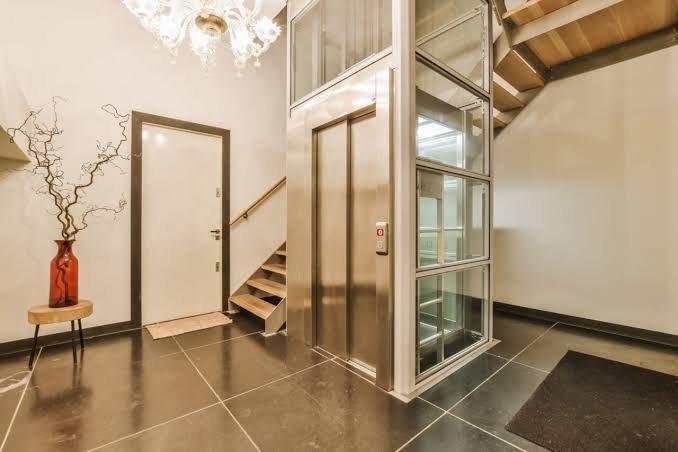
Modern residential elevators are available in different styles, finishes, and configurations. Homeowners can select designs that complement their existing interiors rather than making the elevator look like an unrelated addition.
Cabin materials, lighting, flooring, control panels, and door finishes can all influence the final appearance.
For example, a contemporary home may benefit from clean lines and modern finishes, while a traditional property may look better with warmer materials and classic design elements.
Careful design planning helps the elevator blend naturally into the surrounding space. It also allows homeowners to balance visual appeal with practical requirements such as cabin size, accessibility, and ease of operation.
See also: Online Education and Technology
Understanding Installation and Maintenance
Installing a residential elevator involves several stages. The process generally begins with a consultation and property assessment to determine the most suitable system.
Professionals evaluate available space, structural conditions, electrical requirements, and the number of floors involved. After selecting the equipment and design, the installation team prepares the property and completes the necessary work.
Safety testing should take place before the elevator is used regularly. This helps confirm that the equipment operates correctly and meets applicable requirements.
Maintenance is another important part of ownership. Regular professional servicing allows technicians to examine doors, controls, mechanical components, and safety systems. Identifying potential problems early can help prevent unexpected interruptions and support long-term performance.
Homeowners should also understand the warranty, maintenance arrangements, and service support available before choosing an installation provider.
Planning the Investment Carefully
The total cost of a home elevator depends on several factors, including the elevator type, number of floors, installation complexity, building structure, and customization choices.
Adding an elevator to an existing property may require additional construction or structural modifications. New homes, on the other hand, can often incorporate elevator planning during the original design process.
Homeowners should request a detailed estimate that explains equipment, preparation, installation, and any additional expenses. Long-term costs such as maintenance and electricity should also be considered.
Comparing suitable systems can help families identify an option that meets their requirements without exceeding their budget.
Conclusion
A residential elevator can make a multi-story property more comfortable, accessible, and convenient. From supporting independent living to simplifying everyday household activities, it offers practical benefits for homeowners with different needs. Careful planning, suitable equipment selection, professional installation, and regular maintenance all contribute to a successful project. Homeowners considering an upgrade can explore CHS Elevators for residential elevator solutions in Mount Pleasant and surrounding South Carolina communities. With the right system, a home can become easier to navigate and better prepared for the changing needs of its residents.