A generation ago, choosing a suburb was a fairly simple exercise. You drove the streets, looked at the houses already standing, talked to a few neighbors, and judged the place by what was in front of you. What you saw was what you got.
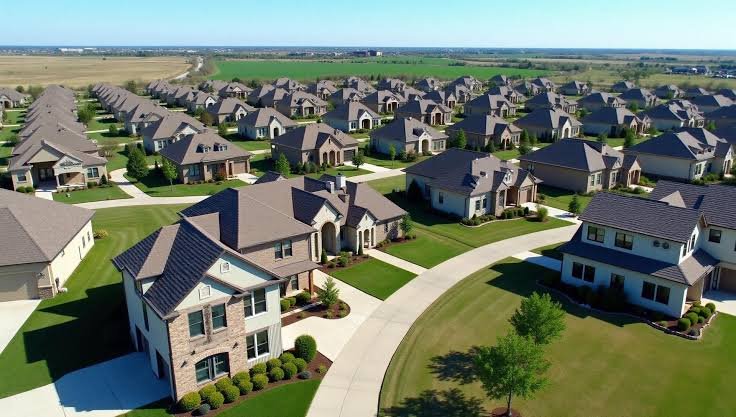
Buying into a fast-growing town today works differently. Half of what you are evaluating may not exist yet. The shopping center on the site map is a rendering, the second entrance to the neighborhood is a line on a plan, and the empty field across the road is a question mark. Celina, Texas is a clear example. It sits north of the Dallas–Fort Worth core, where new communities keep opening next to the older streets near the historic downtown square. Buyers arrive from across North Texas and from other states, looking for more space, newer construction, and a calmer pace.
That kind of growth is exciting, and it is also easy to misjudge. A model home shows you the finished product, but it says very little about traffic, construction noise, school boundaries, or the schedule for the amenities listed in the brochure. You are not only choosing a house. You are choosing a community that is still being built around you.
The sections below cover what to look at before you sign anything, from commute tests and HOA rules to hidden costs and closing-date surprises.
Why Fast-Growing Suburbs Attract So Many Buyers
The appeal is easy to understand. New homes usually come with modern layouts, open kitchens, and energy-efficient features that older houses lack. Master-planned communities add parks, trails, pools, and event spaces, so a neighborhood can feel social from the first week.
Buyers also like having choices. A single suburb might offer a townhome near the square, a mid-size family home in a planned community, and a larger property on the edge of town. That range lets people pick a lifestyle, not just a floor plan.
The trade-off is that growth is uneven. Some parts of town settle in quickly, and others stay surrounded by construction for years. Knowing which kind of area you are looking at matters more than the granite countertops.
Questions to Settle Before You Fall for a Floor Plan
The commute you will actually have
A map app can tell you the drive time at 2 p.m. on a Tuesday. It cannot tell you how the main roads behave at 7:30 on a Monday morning or on a Friday afternoon in summer.
Drive the route yourself during the hours you would normally travel. Do it twice, on different days. Pay attention to intersections that are still being widened, since lane closures and new traffic signals can change the picture from one month to the next.
If your job is hybrid, test both patterns. A trip that is fine twice a week can wear you down when it happens five times.
What is planned versus what is built
Sales materials love to show future amenities. A clubhouse, a retail center, or a new school may appear on the site map in a friendly shade of green. That does not mean a date has been set.
Ask the builder or the community office what is already finished, what is funded, and what is only proposed. Then check with the city planning office and the local school district to see whether their records match. Good answers are specific. Vague ones deserve a second look.
It also helps to ask what is planned next to the neighborhood. A quiet field today could become a commercial strip or a busy road later.
HOA and community rules
Homeowners associations can be a real benefit. They keep common areas maintained and set standards that protect property values. They also come with rules, and those rules can affect daily life.
Read the governing documents before closing, not after. Look for limits on fence styles, paint colors, parked vehicles, short-term rentals, and outdoor structures. Check the monthly or annual dues, and ask what they cover. Ask, too, about move-in procedures. Some gated or newer communities require advance notice for large trucks, restrict delivery hours, or reserve gates for scheduled use.
The Cost Picture Goes Beyond the Price Tag
The listing price is only the first number. A new-build purchase often brings a second layer of expenses that buyers overlook.
Property tax is one. In some newer communities, additional district assessments can show up on the annual bill, and they vary from one neighborhood to the next. Ask for a full breakdown of what the yearly bill is likely to look like, not just the base rate.
Then there is everything the builder does not include. Window blinds, fencing, landscaping, a back patio, and a water softener can add up quickly. Many new homes arrive with bare yards and no window coverings at all. Budget for these early so they do not drain your savings in the first month.
Finally, consider the difference in insurance and utility costs between a new build and an older home. Newer construction may be cheaper to maintain in the early years, but a larger floor plan can raise your monthly bills. Compare actual quotes rather than assuming.
Timing Problems New Builds Create
This is the part that surprises people. Closing dates on new construction can shift. A delayed inspection, a backlog on a final walkthrough item, or a supply issue can push a move-in date back by days or weeks.
Meanwhile, your current lease is ending, your buyer is waiting on your old home, or your kids are about to start school. The pressure builds fast.
A few habits help:
- Treat the builder’s estimated completion date as a range, not a promise.
- Ask whether your contract has any language about delays or extensions.
- Keep your current housing flexible if you can, such as a month-to-month option or a short extension.
- Line up a plan for your belongings in case the keys arrive later than expected.
That last point is where short-term storage earns its keep. A local mover that offers it, such as a Celina moving company like Pkwy Moving & Storage, can hold your furniture for a few weeks while the closing date settles. It is a small detail that spares you from paying for two places or camping among boxes.
Visiting at the Right Times
A single tour on a sunny weekend tells you very little. Plan at least three visits, and make them different from each other.
Go on a weekday morning to see school drop-off and rush-hour traffic. Go on an evening to hear the noise level, notice street lighting, and see who is out walking. Go on a weekend afternoon to see how busy the parks and shops get.
While you are there, do a few ordinary errands. Buy groceries, fill the car with gas, and find the nearest urgent care. You will learn more about daily life from forty minutes of errands than from a two-hour sales presentation.
Talk to residents when you can. People who have lived on the street for a year will tell you about drainage after a heavy rain, how quickly the builder handled repairs, and which neighbors host the loudest summer parties. They will usually answer honestly if you ask politely.
Older Streets Versus New Subdivisions
Not every buyer wants a brand-new house, and that is a reasonable position. The older parts of a growing town tend to offer mature trees, established yards, and walkable access to local shops and restaurants. The trade-off is that homes may need updates, and lots can be smaller or oddly shaped.
New subdivisions offer the reverse. You get a fresh home and shared amenities, but trees are young, shade is scarce, and the surrounding area may still look like a work in progress.
Ask yourself which set of compromises you can live with. A family that wants a big yard and a quiet cul-de-sac may be happier in a new community. A couple that likes walking to coffee on a Saturday might prefer streets near the downtown square. Neither is wrong. They are just different bets.
A Short Checklist to Bring on Your Next Tour
Print this and carry it with you:
- Drive your real commute at peak hours, twice.
- Ask what amenities are finished and what is only planned.
- Read the HOA documents and fee schedule before making an offer.
- Request a full yearly tax and assessment estimate.
- Confirm the builder’s delay policy in writing.
- Check school zoning directly with the district.
- Look at what is planned for the land next door.
- Price out blinds, fencing, and landscaping before closing.
- Visit at three different times of day.
- Decide how you would handle a two-week closing delay.
Settling In After You Choose
Once the decision is made, the practical side begins. Update your address with banks, schools, and your employer. Set up utilities a week or two before your move-in date. Ask the community office about gate codes, trash pickup schedules, and package delivery rules.
Plan your unpacking in zones as well. Start with the kitchen, the bedrooms, and the bathrooms, then work outward. A new house has no clutter yet, so it is a good chance to decide where things belong from day one.
It also helps to introduce yourself to a few neighbors in the first week. In a growing community, nearly everyone is new at something, and people tend to be friendlier than you would expect.
Conclusion
A fast-growing suburb can be a great place to build a life, but the best choices come from looking past the model home. Test the commute, read the fine print, and ask what is real and what is only on a map. A few extra weekends of homework can save you years of regret.
Give yourself some slack in the schedule too. Closing dates move, yards need work, and the neighborhood will keep changing around you. If you plan for that, the change feels like part of the appeal and not a surprise.
Take your time, bring your checklist, and trust what you see on the ground. The right place will hold up under a closer look.