Most drivers hand over a set of keys and picture little more than a technician with a wrench. The gap between that image and the actual work is wide. Knowing what unfolds inside a repair facility like Relux Collision turns a stressful wait into a process with visible logic and clear checkpoints.
That gap matters because uncertainty drives poor decisions, from accepting a rushed estimate to skipping a scan that would have caught hidden damage. The intake process at Relux Collision replaces guesswork with documentation, starting the moment the vehicle rolls onto the lot and continuing through every stage until the owner drives away.
The First Conversations That Shape the Repair
Insurance Contact before Any Work: The shop opens a line with the insurer as soon as the vehicle arrives, confirming coverage and the adjuster assigned to the file. Early contact prevents the delays that follow when parts get ordered against an unapproved estimate, and the owner deals with one point of contact rather than three.
The Baseline Inspection Record: A technician walks the vehicle before anything is touched, photographing impact points, panel gaps, existing chips, and any damage unrelated to the collision. That record protects the owner weeks later, because a documented baseline settles disagreements about what the accident actually caused and what was already present on the vehicle before the impact.
Disassembly That Turns Assumptions into a Plan
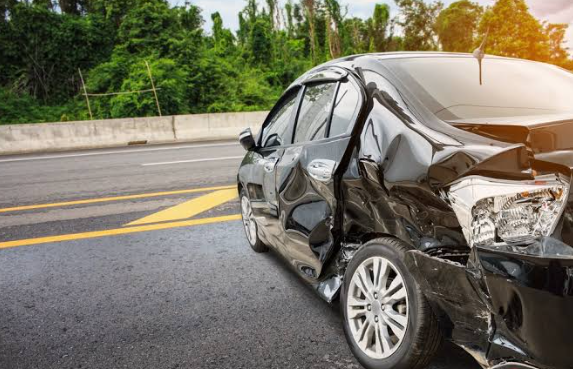
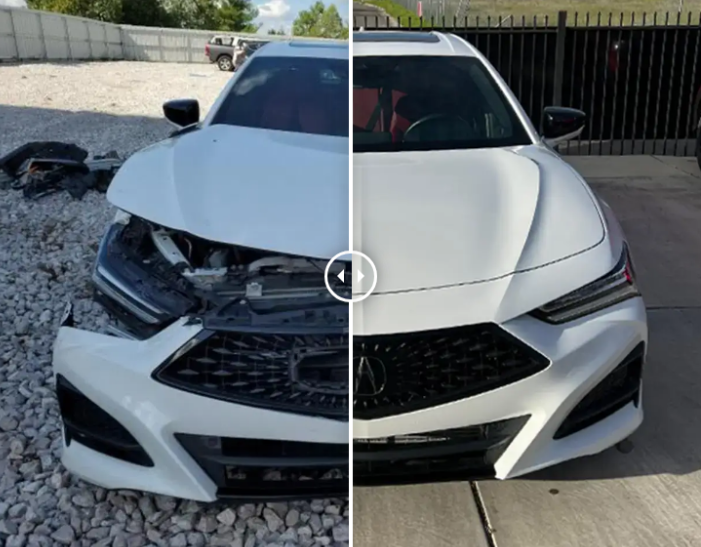
Damage Hidden behind Panels: Crumple zones do their job by absorbing force and passing it inward, so a bumper cover that looks lightly scuffed can sit in front of a bent reinforcement bar. In everyday shop practice, estimators routinely find that hidden structural damage exceeds the visible damage by a wide margin on late model vehicles.
Fault Codes the Dashboard Hides: A pre-repair scan queries every control module on the vehicle network and pulls stored trouble codes the dashboard never displayed. Airbag modules, blind spot sensors, and stability systems all log faults quietly, and finding them early stops a safety feature from being signed off while it sits inactive after delivery.
Repair and Refinish Held to Measured Tolerances
Structure Measured against Factory Points: Computerized measuring systems compare the repaired body against factory reference points, confirming that mounting locations sit within tolerance instead of merely looking straight to the eye. Panels are reshaped or replaced, welded to published manufacturer specification, and a wheel alignment check confirms the suspension geometry sits where the factory intended it to sit.
Color Matched by Instrument: Paint is mixed after a digital color reading captures how the existing finish reflects light, accounting for the fade that Sacramento sun produces on a clear coat. The panel is sealed, primed, base coated, cleared, then cured in a controlled booth so the repaired area ages at the same rate as the original.
Why the Fast Fix Costs More Later
Cosmetic Patch versus Full Rebuild: A cosmetic shop can hide a dent in a day for less money, and for a scuffed door with no structural involvement that trade is reasonable. Once a frame rail or a sensor bracket is involved, the same shortcut leaves misalignment that surfaces later as tire wear, wind noise, and failed calibrations.
Delay Narrows the Options: Postponed repairs rarely stay the same size. Moisture reaches bare metal at the damaged edge, corrosion spreads beneath the paint film, and a panel that could have been repaired becomes a panel that has to be replaced instead. Insurers also work to claim timelines, and a reopened file invites fresh scrutiny.
Final Checks and Coverage after Pickup
Reassembly under Live Diagnostic Support: During reassembly, AirPro Diagnostics supplies remote access to factory level scanning, so calibrations and post repair scans are verified by a technician trained on that platform. A road test closes the quality assurance stage, confirming that steering tracks true and every driver assistance feature responds before the vehicle is released back to its owner.
Coverage That Follows the Owner: The finished repair carries a written limited lifetime warranty covering workmanship for as long as the original owner keeps the vehicle. Documentation of the repair blueprint and the post repair scan goes home with the keys, which matters at resale when a buyer asks how the car was put back together.
What Owners Should Verify at Pickup
Ten Minutes Worth Spending: A finished repair deserves the same attention the estimate received. Owners who inspect the vehicle before leaving catch small issues while the car is still on site and still easy to correct, and the points below reflect what the team at Relux Collision expects an informed customer to raise at handover.
- Panel gaps should measure evenly along their full length on both sides.
- Paint color should match in daylight, not only under shop lighting.
- A post repair scan report should show every stored fault code cleared.
- Calibration records should accompany any repair involving cameras or radar sensors.
- Warranty paperwork should name the covered work and the conditions that apply.
See also: Planning a Texas Group Trip? When to Use a Charter Bus Rental
Driving Away with the Full Story
Visible Process Builds Trust: A vehicle returned to factory tolerance protects the people inside it during the next impact, which is the part of the work nobody ever sees. Relux Collision documents each stage of the process, so owners understand exactly what was measured and why the repair was finished the way it was.
Waiting Raises the Final Cost: Every week a damaged vehicle stays on the road, corrosion advances and an unresolved safety system stays offline, narrowing what any later repair can still accomplish. Booking an assessment with Relux Collision puts a documented plan in place before the damage sets the terms. Reach out today to schedule an inspection.