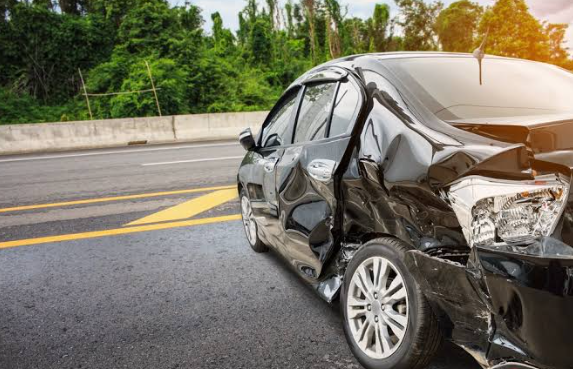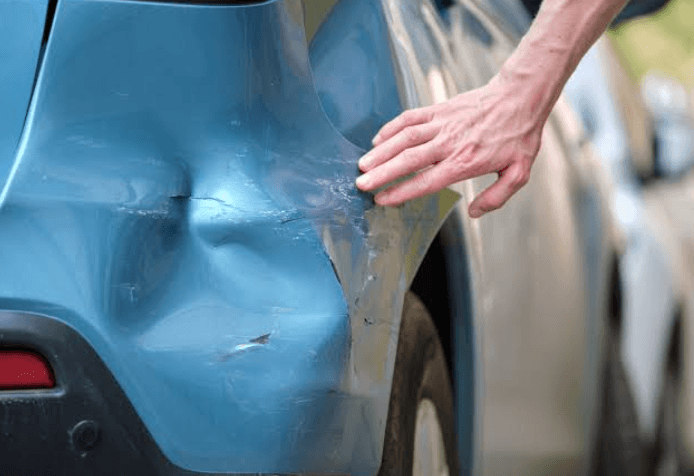
The parking lot hit barely registers as an accident at the time. A cracked bumper cover, one snapped grille tab, a scuff across the sensor trim near the plate. Two weeks after the repair, the lane assist on a three-year-old crossover has gone quiet, and nothing on the dash says why. That silence is why the collision repair Norman OK drivers pay for has to cover the electronics and not just the paint booth. Behind a modern front bumper sits a radar unit, a forward camera, and a row of sonar sensors set into the fascia at fixed angles. Shift any of that by a degree or two and the software keeps making decisions on geometry that no longer matches the road. The argument here is simple, and it is worth saying outright: a bumper repair is not finished until the sensors behind it have been aimed again and proven.
Modern Bumpers Hide Sensors, Not Just Foam
Twenty years ago a front bumper was a steel bar, some foam, and a painted skin. Now it is closer to a sensor rack wearing a painted skin. A crossover in this class carries millimeter wave radar behind the fascia, ultrasonic pucks in the cover, and a camera aimed to within a fraction of a degree. Those sensors are doing measurable safety work, not riding along as decoration. A 2012 study in the Annals of Advances in Automotive Medicine found Volvo XC60s with low speed automatic braking had 23% fewer rear-end frontal collisions across 10,303 vehicles. Aim matters more than the part number, since a radar sitting three degrees off center reads a truck in the next lane as a truck in yours. The mounting bracket behind the cover is the usual casualty. Bend it, straighten it by eye, bolt the cover back on, and the car looks perfect sitting in the lot.
A driver in Norman backed into a parked truck last winter and paid about $900 at a quick shop for a new cover and a repaint. The color match was good, and the panel gaps looked right. Two weeks later she noticed the lane departure warning had stopped chiming on the highway, and no light came on to explain it. That is the part people miss on a clean-looking repair. Plenty of systems fault without a dash warning, dropping a feature and logging a code only a scan tool will show.
So here is the rule, and it is not a soft one. After any front-end hit, do not rely on lane keeping, adaptive cruise or automatic braking until the shop has scanned the car and checked the structural mounting points. Every camera and radar the impact touched has to be recalibrated and verified first. Those systems exist to keep a car out of the crashes that kill people, and IIHS fatality figures attribute 28% of passenger vehicle occupant deaths in 2024 to rollovers alone. A feature you assume is watching, and that is not, is worse than one you know is switched off.
See also: Planning a Texas Group Trip? When to Use a Charter Bus Rental
How to Tell a Shop Calibrates ADAS
Ask what the shop owns, not what it believes. Static calibration needs printed targets, a level floor with clear room in front of the car, and the manufacturer scan software. Dynamic calibration needs a road drive at a set speed on well marked lanes, which usually means 30 to 45 minutes on the interstate with a laptop plugged in. A shop that does neither will sublet the job, and that is fine as long as it says so on paper and hands you the report. What we see most often is a third version, where nobody mentions calibration, the estimate lists a cover and clips and blend time, and a step goes missing.
The parts themselves explain why that step so often gets skipped. Auto Body News puts front radar sensors at $500 to $1,300 each and front camera sensors at $600 to $800 before anyone bills a minute of calibration labor. On a sub-$3,000 bumper and sensor job, that is most of the ticket, so a low bid usually got low by leaving the electronics out of it. Compare two estimates line by line and the gap is rarely paint.
Questions to Ask Before You Sign the Estimate
Bring these four questions to the estimator before you sign anything. You are not testing anyone’s patience, you are testing whether the calibration step exists in their process at all. A shop that does this work daily answers in specifics, with tool names and minutes attached.
- Will you run a pre-repair and a post-repair scan, and can I have both reports? A good answer names the scan tool and treats the printouts as standard paperwork.
- Do you calibrate the forward camera and radar in house, or sublet it? Either is fine, but the answer should come with a shop name and a turnaround time.
- Which calibration does my car need, static, dynamic, or both? A good answer cites the manufacturer procedure for my exact model year instead of a general policy.
- What happens if the system fails calibration after the panels go back on? Look for a shop that expects that occasionally and can explain how the extra parts get approved.
Watch how the answers land, not only what they contain. Hedging on the scan reports is the clearest tell, because a shop that runs them already has them sitting in the file. If the estimator has to go ask somebody in the back, that is not disqualifying, though it does tell you how routine this work is there. One more thing worth reading for: whether the estimate names the calibration by its manufacturer term rather than a vague miscellaneous line.
Why Calibration Belongs in Every Estimate
Repair bills have gotten heavier for this exact reason, and insurers feel it first. The CCC Crash Course report, released in March 2026, put total loss frequency at a record 23.1% of claims in 2025, where severity outruns what a vehicle is worth. Sensors and calibration labor are a real share of that climb. None of it changes what you should want out of a bumper job, which is the car back the way it left the factory, cameras aimed and features working. A shop doing collision repair Norman OK drivers rely on puts the scan and the calibration on the estimate before you ask for either one. If the paperwork is missing, the work probably is too.