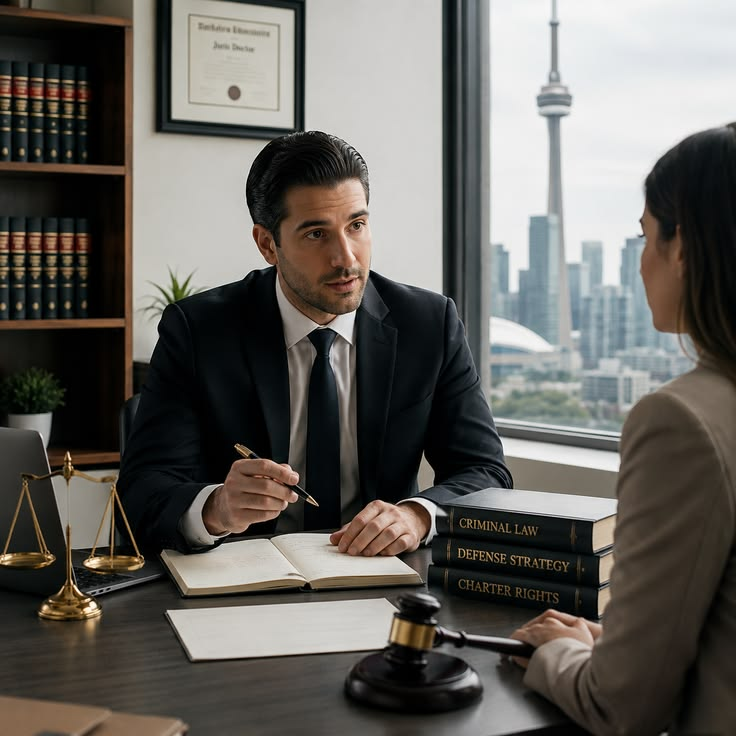
Being faced with criminal charges is never an easy situation. One of the common questions people who are considering hiring a criminal defense attorney in Miami have is whether having an attorney can result in charges being dismissed.
From challenging the way in which the evidence has been obtained to negotiating with the prosecutor, a criminal defense lawyer can greatly affect the case. The team at Piotrowski Law Miami can assist in understanding your rights, evaluating the best legal strategies in your case, and formulating a plan accordingly.
When are Criminal Charges Dismissed?
There are many instances when the criminal charges will be dropped. But, it will depend on the circumstances in every case. In most instances, the prosecutor should have enough proof that would be able to prove the crime beyond any reasonable doubt. Otherwise, the criminal charges will be dropped. Charges might potentially be dismissed when:
- There is not enough evidence to sustain the allegations
- Evidence was collected in violation of the law
- Witnesses’ accounts are false or inconsistent
- An important element of the crime cannot be proved by the prosecution
- There are grave violations of procedure or the Constitution
- Emergent evidence casts doubt on the prosecution’s case
- The prosecutor concludes that the prosecution of the case is no longer warranted
A criminal defense attorney in Miami may analyze police reports, witness accounts, physical evidence, video evidence, and any other relevant information in order to find out whether a case against the prosecution can be made.
It should be noted that the attorney himself does not decide when the charges are dismissed. Depending on the situation, the charges may be dismissed either by the consent of the prosecutor or by the court.
How Can a Criminal Defense Attorney Challenge the Case of the Prosecution?
A defense attorney will assess the manner in which the evidence was gathered and whether it can be legally admitted into evidence. The police have to observe constitutional and procedural obligations while conducting a search, making an arrest, questioning suspects, and gathering evidence.
In case the requirements weren’t observed, an attorney might file a motion against the evidence collected. Here are the issues that an attorney may consider:
- Were the police justified in conducting a search?
- Was the search warrant valid and carried out appropriately?
- Were the statements taken without violating the defendant’s rights?
- Was there any issue with the process of identification?
- Was the evidence collected and preserved properly?
- Did the arrest satisfy legal requirements?
The lack of some important pieces of evidence in court will definitely affect the prosecution case. In some cases, there is a lack of enough evidence for the prosecution to prosecute its case.
In addition, the criminal defense attorney in Miami can discover inconsistencies in witness testimonies, examine video recordings, talk to experts and find weaknesses that were not found initially.
Can an Attorney Negotiate the Case With the Prosecutor?
It is not always necessary for a criminal case to go to trial. Often, before a trial, communication between the defense and the prosecution takes place regarding the possibilities of resolving the case.
On certain conditions, a lawyer for the defense may negotiate a charge reduction, alternative sentencing, diversion programs, and even dismissal of the case. All these alternatives are based on many factors, including allegations of crimes, evidence, criminal record, laws, and the policy of the prosecution’s office.
In some cases, demonstrating the prosecution that there are major problems with the prosecution’s case will result in the reconsideration of the charges. When the evidence of the prosecution is supposed to be inadmissible or when a witness is not credible, the defense has more chances to negotiate.
Factors Contributing To The Dismissal Of Criminal Charges
Quality of the evidence: This is one of the factors that should be considered. There are cases where the evidence is insufficient for prosecution, making such cases prone to dismissal.
Legality of the investigation: Violation of any applicable constitutional principles by the investigators or the police might help the defense in challenging some pieces of evidence.
Type of charges: All types of charges require different considerations. Therefore, the defense must be geared towards the particular charges brought forth.
Defendant’s history: Any defendant’s criminal record might play a role in the way the prosecutor decides to go about with a case.
Credibility of witnesses: It may weaken a case when there are contradicting testimonies or problems in identification.
New evidence: The evidence might come in terms of surveillance video, papers, forensic data, etc.
Since each case is unique, a criminal defense attorney in Miami should consider the facts in order to offer an evaluation regarding the prospects of getting your case dismissed. An attorney would be able to inform you about the available defenses and strategies, but without making any promises which are not realistic.
What Should You Do If You Wish To Have Your Case Dismissed?
If you are being charged with committing a crime, certain things that you do at the beginning of the process may impact your defense. Firstly, you should refrain from sharing any information related to your case with those who do not have to know anything.
You should make sure that you preserve information that may help you later on. That could be pictures, emails, text messages, videos, receipts or contact information of people who may have some information regarding your case.
The most important thing would be to talk to a lawyer as soon as possible. A criminal defense attorney in Miami would evaluate your case. The fact that a person is being arrested or accused of a crime does not necessarily mean that the person will be found guilty.
See also: Planning a Texas Group Trip? When to Use a Charter Bus Rental
Conclusion
A criminal defense lawyer may not be able to ensure that charges are dropped, yet good legal representation may help create opportunities for this to happen. Through careful evaluation of the evidence available, investigation into the situation surrounding the arrest, objection to any violations in the process and negotiations where necessary, a lawyer can achieve this.