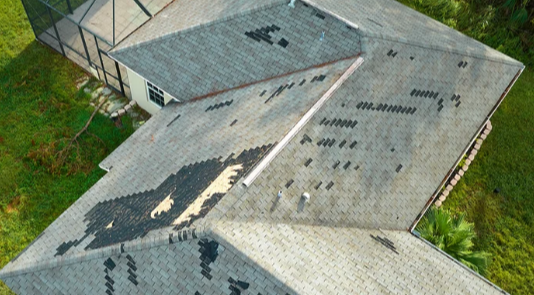
Most homeowners think a roof leak is obvious. You expect to see a giant brown puddle on the ceiling or a steady drip hitting the floor during a thunderstorm. But the reality is much more sneaky than that. Water is patient, and it often finds ways to crawl under your shingles without making a grand entrance. If you need a professional roof repair Heber City expert to take a look, it is usually because the damage has been brewing for months in the dark. By the time you actually see a wet spot on your drywall, the wooden structure of your home might already be fighting a losing battle against rot and mold.
The Invisible Threat of Ice Dams
In colder climates, ice dams are the primary culprit for hidden damage. When heat escapes from your attic, it melts the snow on the top of your roof. That water runs down to the eaves, which are much colder, and freezes back into a solid block of ice. This creates a literal dam that prevents future snowmelt from draining off the roof.
Because the water has nowhere to go, it sits in a pool against your shingles. Shingles are designed to shed water that is moving downward, not to act as a waterproof seal for standing water. Eventually, that moisture works its way backward, slipping under the layers and soaking into the roof deck. You won’t see a leak immediately, but the plywood underneath is getting soft and heavy.
Compromised Underlayment and Felt
Beneath those beautiful shingles lies a critical layer called underlayment. Think of it as the backup plan for your roof. It is a water-resistant barrier that catches any moisture that manages to get past the primary roofing material. Over time, heat and age can cause this material to become brittle or tear.
When the underlayment fails, water reaches the roof sheathing directly. This is where the real trouble starts. Wood rot is a silent killer for a home’s structural integrity. Since this happens under the shingles and above the insulation, it can go undetected for years. You might notice a slight dip in the roofline or a soft spot when you walk up there, but from the ground, everything looks perfectly fine.
The Role of Poor Ventilation
A roof that cannot breathe is a roof that is dying from the inside out. Ventilation is not just about keeping your house cool in the summer. It is about moving moisture out of the attic space. During the winter, warm air from your shower or kitchen rises into the attic. If that air gets trapped, it hits the cold underside of the roof deck and turns into condensation.
This creates a “slow motion” flood. The wood stays damp constantly, which leads to mold growth and wood decay. This type of damage is particularly dangerous because it does not require a hole in the roof or a missing shingle to occur. It is a self-inflicted wound caused by trapped humidity that slowly eats away at the rafters and the decking from within.
Flashing Failures at the Joints
Flashing is the thin metal material installed around chimneys, vents, and valleys. It is the most common point of failure on any roof. While a massive tear in the flashing is easy to spot, small hairline cracks in the sealant are almost invisible.
Water can seep through these tiny gaps every time it rains. Instead of pouring into the house, it often runs down the side of a rafter or stays hidden behind the siding. This hidden path of travel means the water might settle in your wall cavities or floor joists rather than on your ceiling. You might smell a musty odor or notice your allergy symptoms acting up without ever seeing a single drop of water.
The Cost of Waiting
Ignoring the signs of a hidden leak is a gamble that rarely pays off. When water stays trapped beneath the surface, it creates the perfect environment for black mold. Once mold takes hold in your attic or wall systems, the cost of remediation can skyrocket. You are no longer just paying for a few new shingles or a bit of metal work. You are looking at a full-scale restoration project.
Furthermore, a wet roof deck loses its ability to hold nails. This means your shingles are more likely to blow off during a windstorm because the wood underneath has become the consistency of wet cardboard. Keeping an eye on your attic and looking for signs of silver or dark staining on the wood can save you thousands of dollars in the long run.
Final Word
Getting ahead of these issues requires a proactive mindset and a keen eye for detail. If you suspect your home is at risk, calling for a roof repair Heber City inspection is the smartest move you can make to protect your investment. Catching moisture before it rots your rafters ensures your home stays dry and your family stays safe for years to come.